
We spent Christmas 2024 sailing with D’s family along the Pacific side of Costa Rica before transiting the Panama Canal – a fascinating combination of nature and man, with chocolate thrown in for good measure.
Our adventure began in San Jose with a visit to a wonderful family-run butterfly farm, the Mariposario Morpho Azul. Yes, there are butterfly farms! They supply arboretums and museums and gardens all around the world, safely transporting the butterflies as larvae. We spent a couple of hours inside the various enclosures filled with different varieties, the most special being the blue morpho (also known as the butterfly emoji! 🦋). We would later glimpse one in the wild, a fluttering flicker of iridescent blue, but it was wonderful to be among them and to learn from the family that raises them.
The next day we headed to Puerto Caldera and boarded the Lindblad Quest, ready for our adventure to begin!
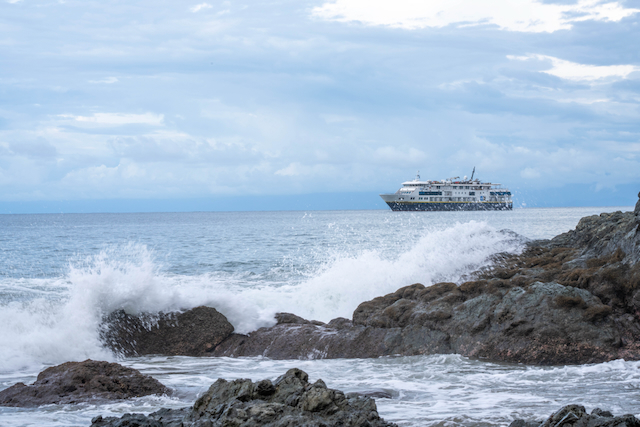
Day 1: Rio Agujitas & Punta Caletas (Osa Peninsula)
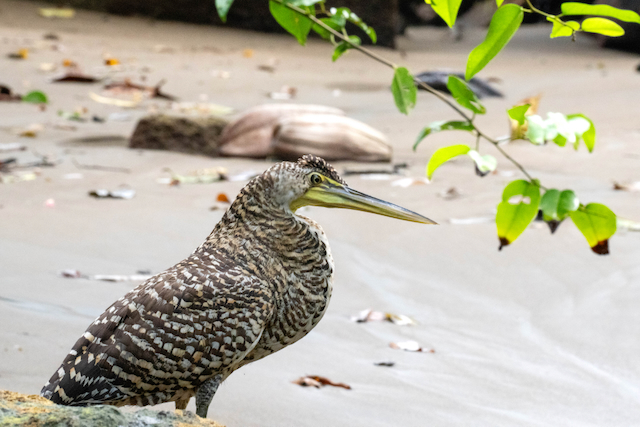
We eased into our expedition with a zodiac ride up the Rio Agujitas, where we spotted a Tiger heron, a boat-billed heron, a sloth, and howler monkeys.


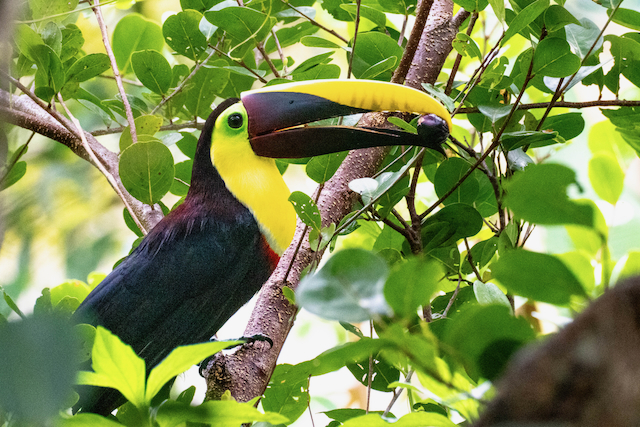
After lunch, it was off for a landing at Punta Caletas, where we walked up from the beach and along the edge of the rainforest. Our first toucan sighting!
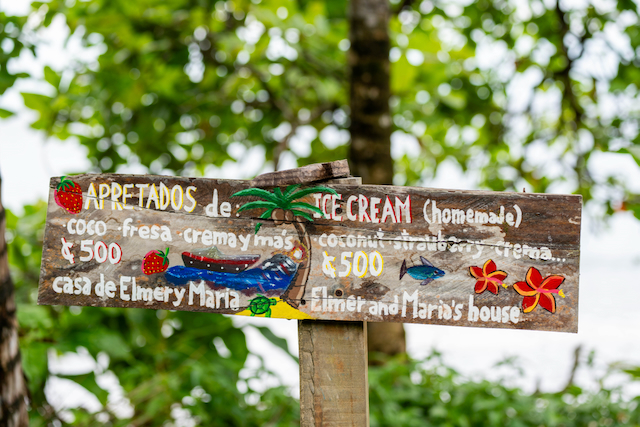
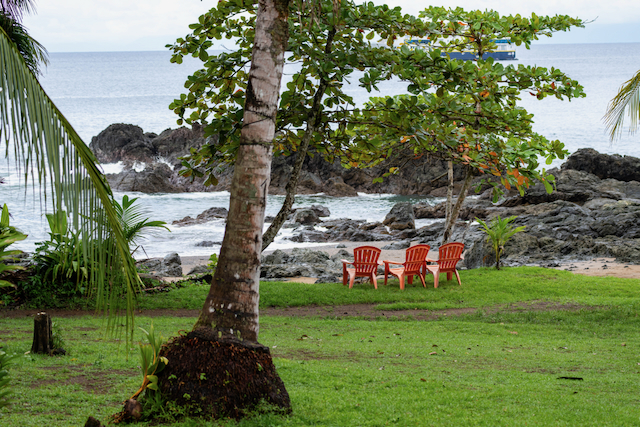
Day 2: Playa Blanca, Golfo Dulce
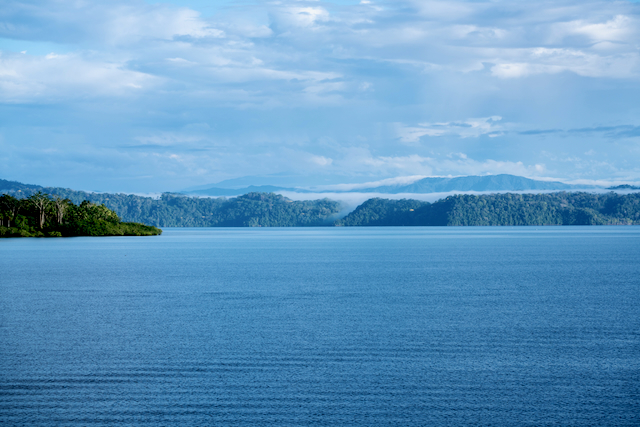
We had a range of excursion options today that highlighted some of the sustainable enterprises in the area – I had trouble choosing among the hearts of palm farm run by a mother and son, a sugar cane farm visit, a hike around a nature lodge, or the Finca Kobo cacao farm. (OK who am I kidding, the last one was a no-brainer for me!)
We started with the lodge hike and saw lots of interesting trees and fungi, a family of bats nestled beneath a palm frond, and this impressive woodpecker:
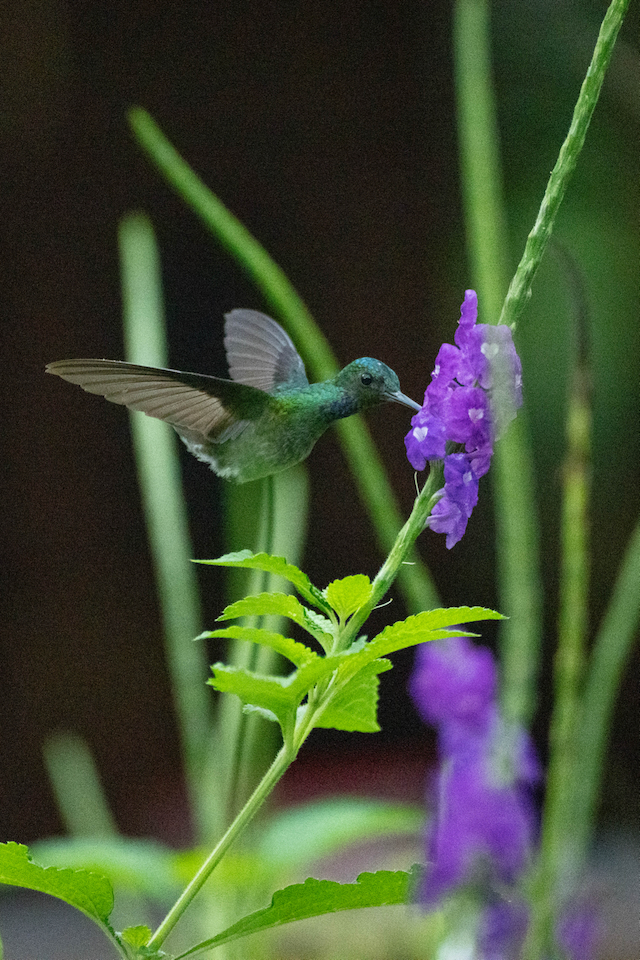
But my favorite part of this excursion were the hummingbirds busily visiting the flowers all around the front of the lodge. I spent almost an hour giving my camera settings a workout, while D relaxed on the patio with coffee and pastries.


We had a beach barbecue for lunch, capped off by a colorful and lively traditional dance performance by some local youngsters – please enjoy D’s mom’s photos, she captured their joyous movement so well!
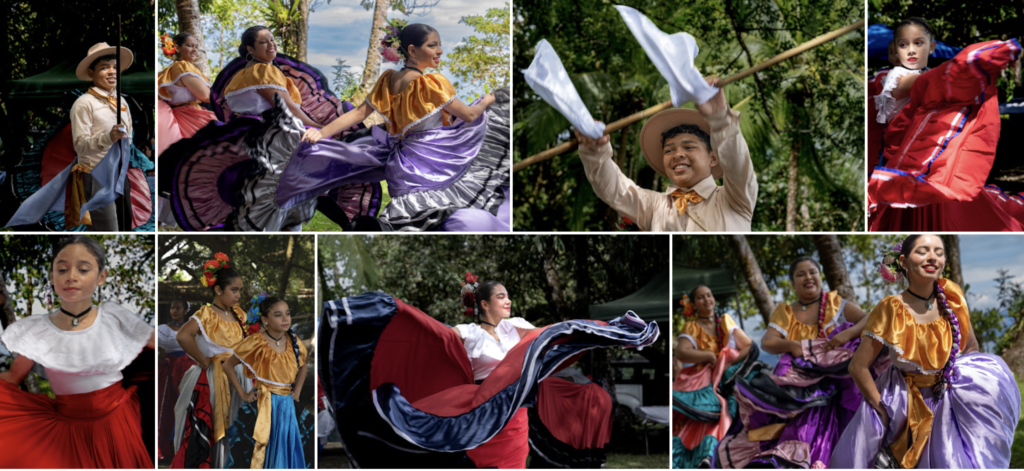
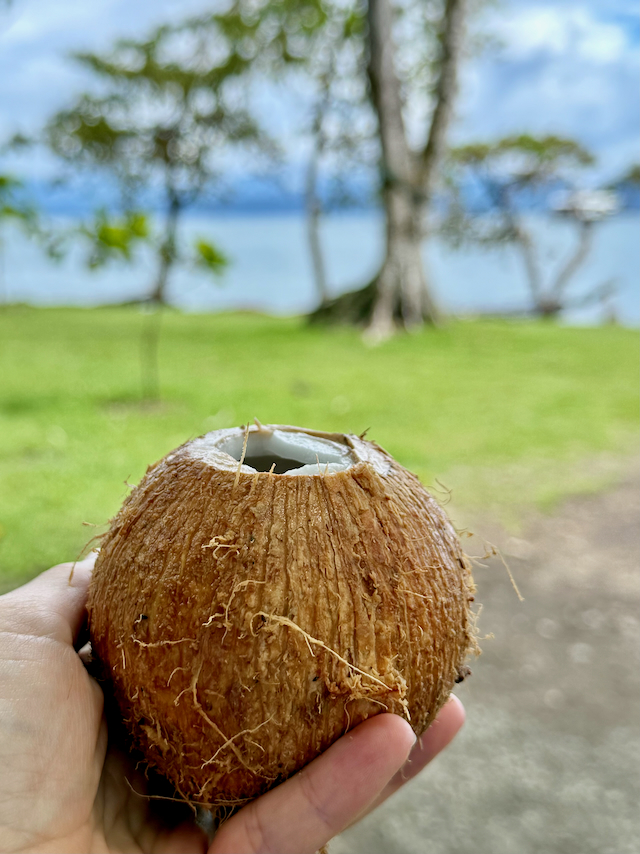
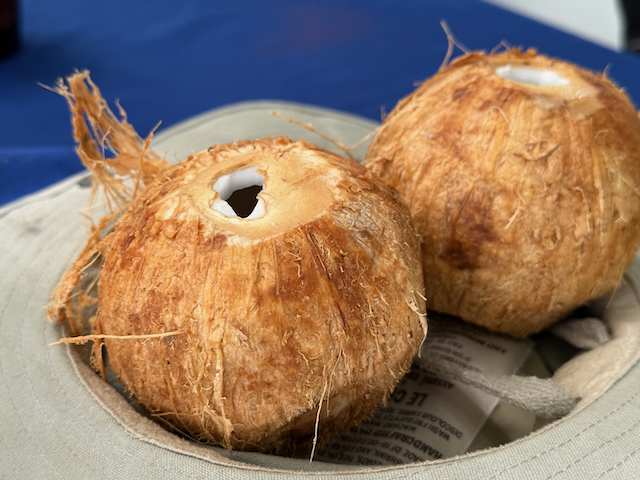
Besides the dancing, a highlight for me was the small fresh coconuts with sweet and flavorful water inside. I find the water from the typical large green coconuts to be a bit salty, but these were so good, I had several.
After lunch we explored the area around the beach and found a sloth (pictured at top of this post) just above our heads! We watched a toucan eating fruit using one of the guide’s scopes – a handy way of getting zoom footage on your phone.
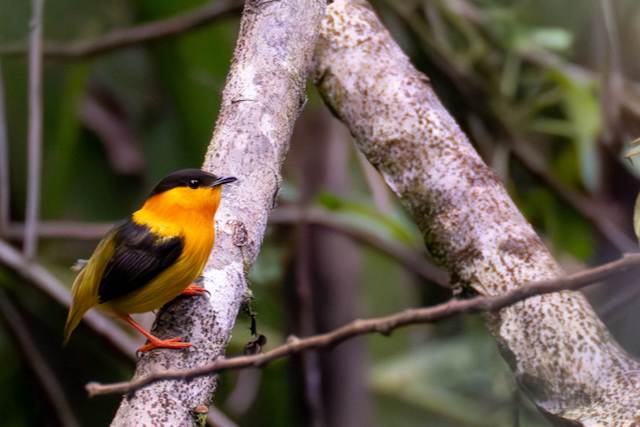
And we saw my favorite bird of the trip, this delightful little orange-collared manakin spotted by our incredible naturalist guide, Cesar. He has a gift for hearing and spotting birds in the most hidden places, and even mimicking their song to draw them closer.
Next, it was our turn for the cacao farm – chocolate time!
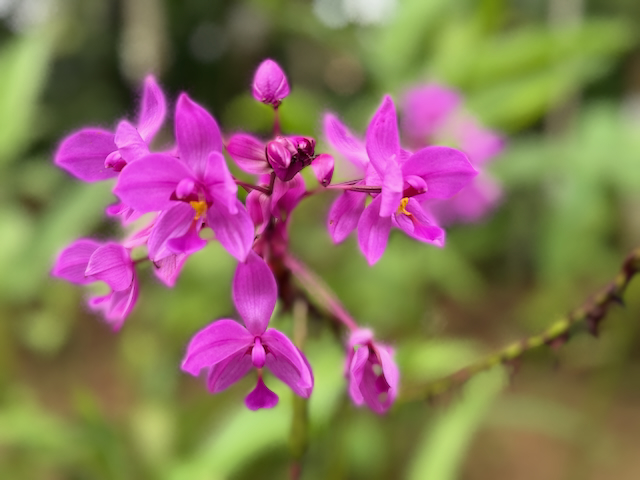
We saw fresh cacao pods and the large tables where the cacao is dried, and the team demonstrated how it is ground into chocolate paste. They also grow vanilla pods and all sorts of tropical flowers and plants.
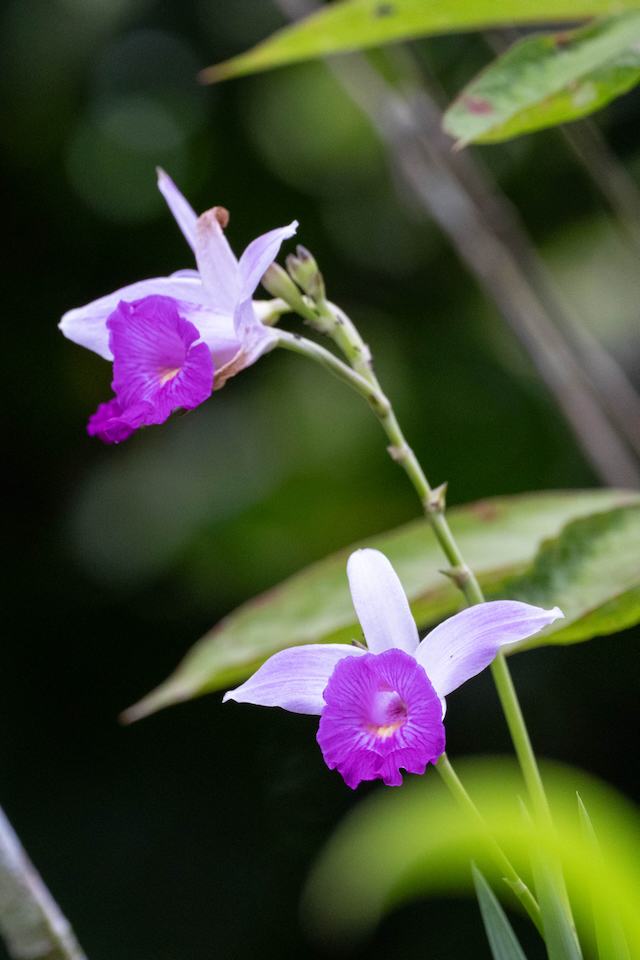

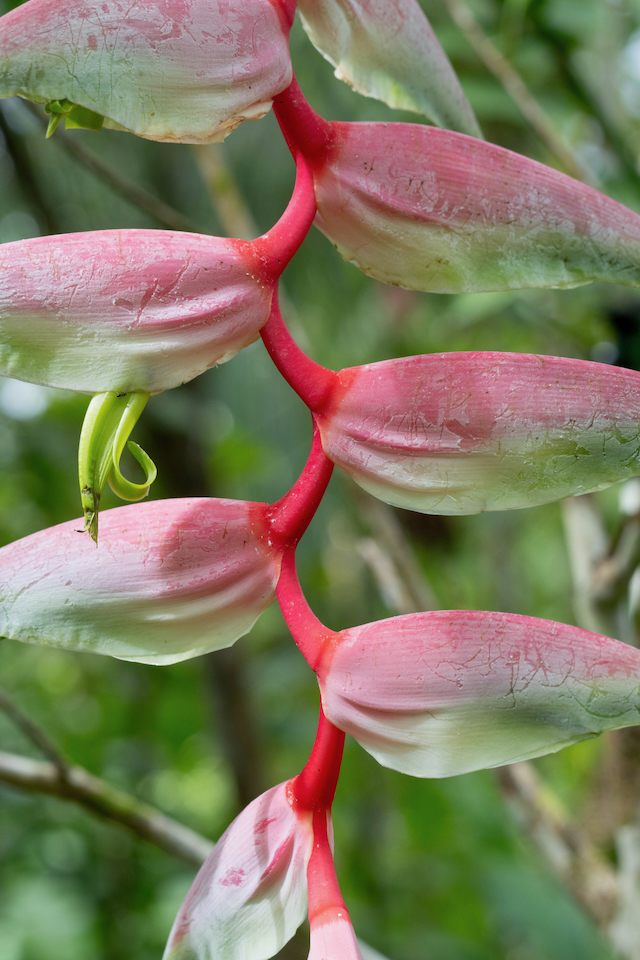
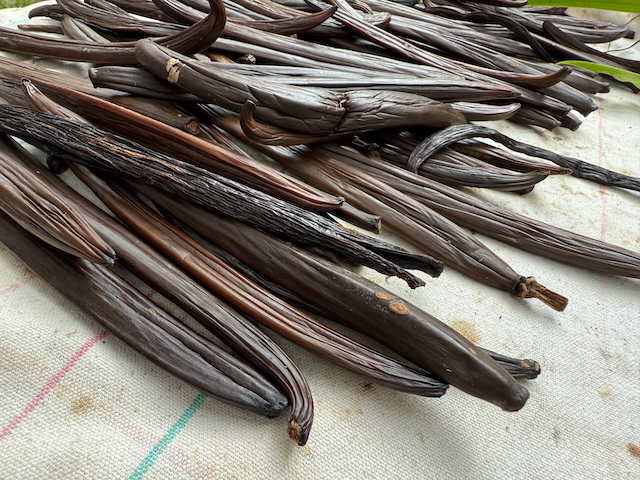
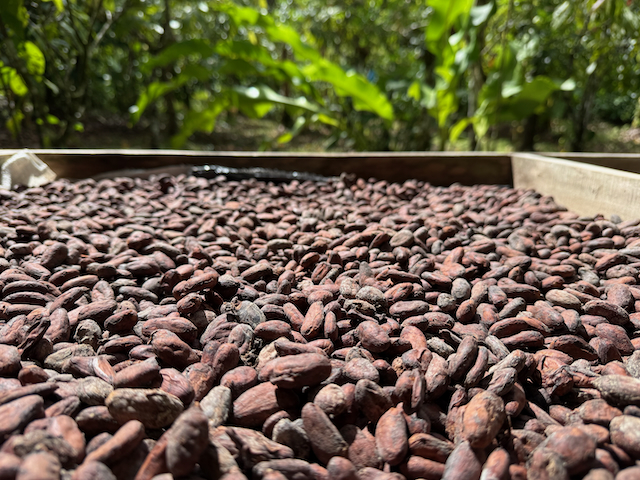
We each had a piece of homemade chocolate cake made with the farm’s own cocoa, plus very dark and rich fondue. There were more hummingbirds too!

Day 3: Rio Seco and Golfito
Today we visited the Rio Seco Rainforest, a private nature reserve accessible only from the sea. We explored the area and saw some wonderful birds – bicolor antbird, chestnut-backed antbird, and Northern barred wood creeper. You know they’re special when even Cesar is impressed by the sightings!


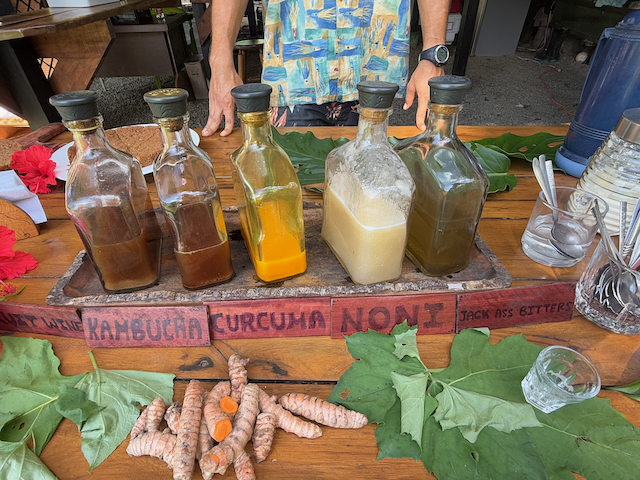
At the lodge, we tried a variety of juices made from locally grown produce. Most unusual was the one called Noni, aka “blue cheese fruit”. Apparently it has a range of health benefits including increased immunity and joint health, reduced pain and inflammation, blood pressure management, better sleep, and treatment of everything from cancer and heart disease to scorpion stings and warts. I decided it was a good idea to drink some just in case, and while I didn’t notice any immediate improvements I can confirm that its nickname is an accurate representation of the taste. 😂
We saw more birds, including a flock of scarlet macaws playing in the trees and a colorful trogon. Costa Rica truly is a birder’s paradise!


The afternoon featured a zodiac ride around Golfito, an old port town that was once busy with banana exports. We added more birds to our sightings list, including a Little Blue Heron and a Green Kingfisher.


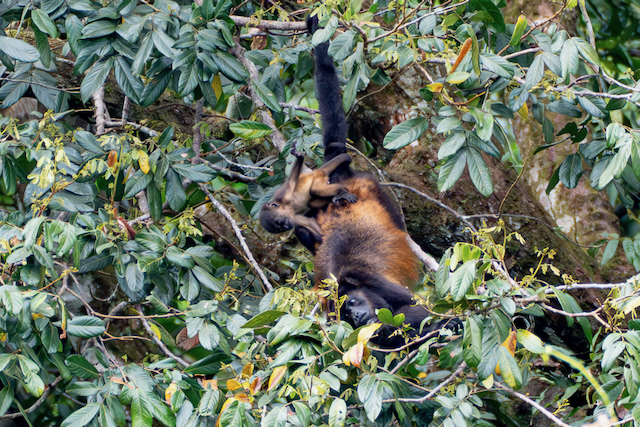
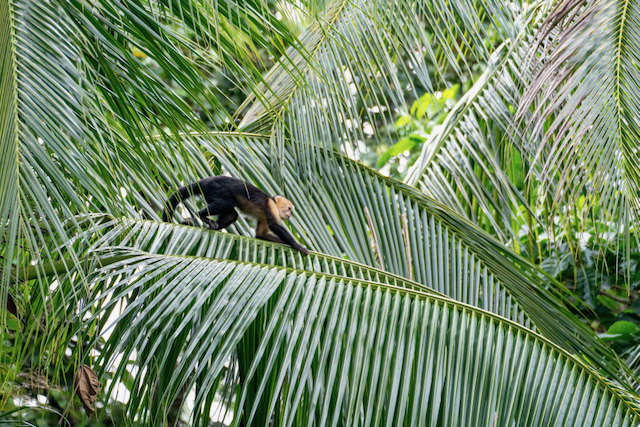
And we found more monkeys – a howler monkey with a cute baby on her back and an adorable white-faced capuchin who gave us quite a show as he scampered around the trees.

Day 4: Coiba National Park, Panama
Overnight, the Quest moved from Costa Rican waters into Panama and we had the day to explore Coiba. First up, snorkeling.


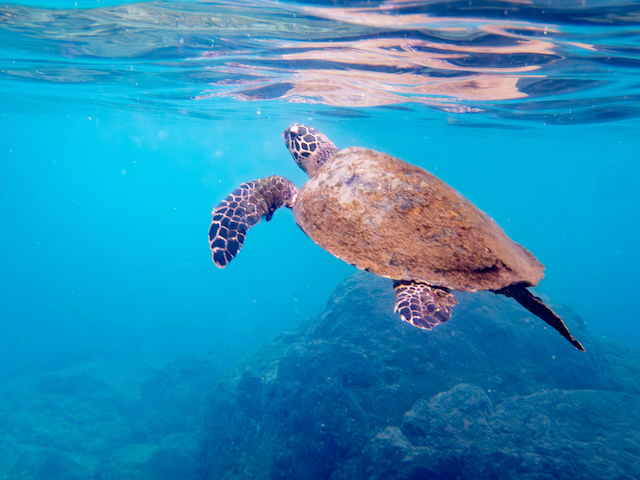
The highlight for me was getting up close and personal with this sea turtle:
I also went stand-up paddle boarding, which was going very well until one of the zodiacs cruised by and created just enough of a wake for me to wipe out. Ah well, the water was warm!


Day 5: The Panama Canal
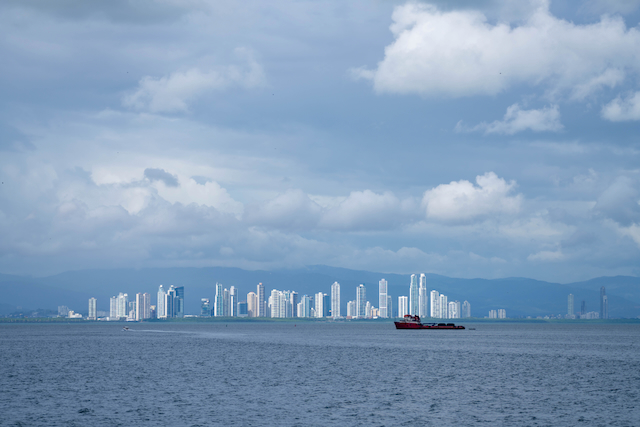
Traversing the Panama Canal was one of the highlights of this itinerary, especially for D, who had read and enjoyed David McCullough’s The Path Between the Seas about its construction. Our expedition leader showed a (very vintage) Nova episode about it the evening before we arrived, which was more interesting than I’d expected.
The French attempted a “simple” sea-level canal in the style of the Suez Canal, but failed spectacularly due to the challenges of the rainforest (and rainy season), not to mention yellow fever and malaria that led to incredibly high worker mortality. The US then took over, using a design considered and rejected by the French, which included a series of locks on either side of a manmade lake created to form the middle of the passage. Perhaps more importantly, the American effort prioritized sanitation and especially mosquito control efforts.
Once the canal was completed, cargo ships were built at the maximum possible size to squeeze through and were accordingly named Panamax size ships. In 2016, the Panama Canal opened a wider set of locks that fit bigger ships, the NeoPanamax. On the other end of the size scale, even privately-owned sailboats can go through for a fee of $2000-3000.
In the evening, it was our turn to enter the Panama Canal – it’s so busy that operations continue round the clock. Because the Quest is a small ship, we buddied up with a Liquified Petroleum Gas tanker (not at all concerning to spend hours right next to a load of highly flammable cargo) to go through the locks that make up the first part of the canal on the Pacific side.
At each lock, ships are connected by rope to the mulas (mules), named after the animal but actually small locomotives that guide the ships along. The ropes are either thrown down or delivered by rowboat, which is a somewhat comical sight next to the massive cargo ships. Just as in Burgundy or Champagne, the locks slowly raise or lower the ships. Everyone was on the deck to observe our progress through the first couple of locks, but eventually we drifted off to bed, listening to the rumbling of the mulas.
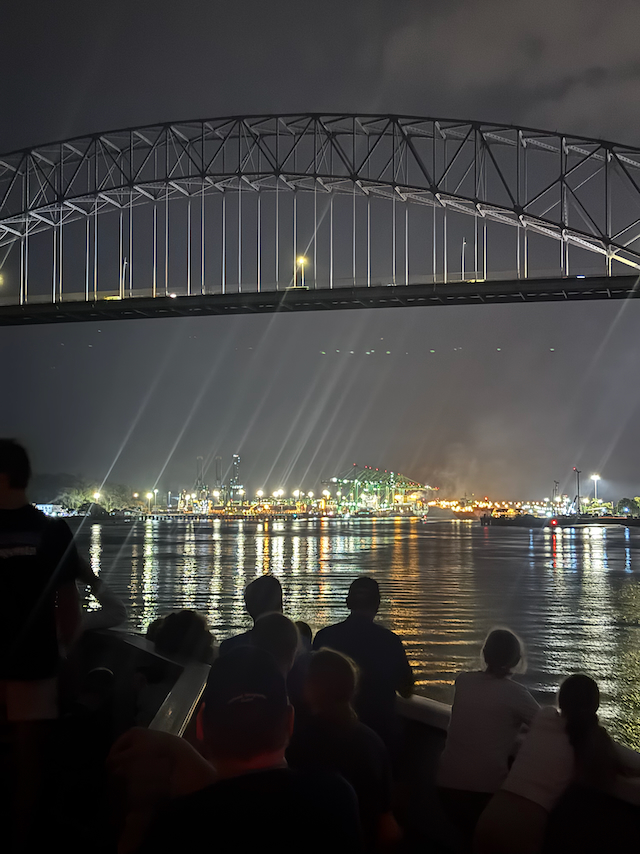
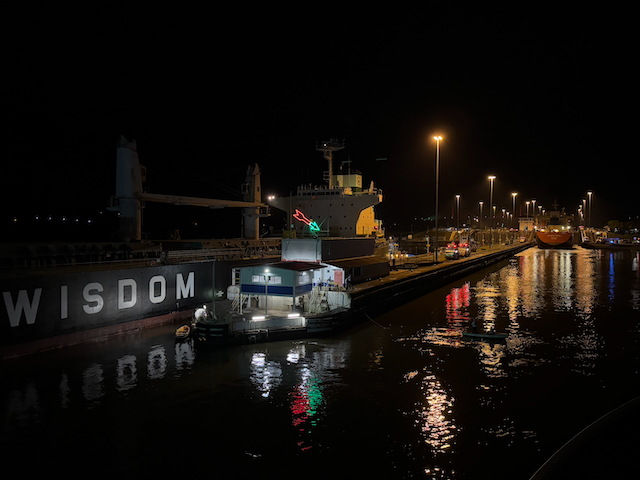
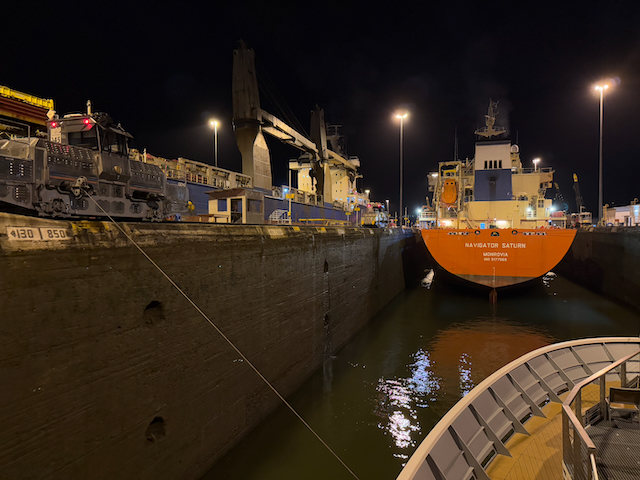
Day 6: Barro Colorado Island & Gatun Lake, Panama
We awoke at anchor in Gatun Lake, an unusual experience as most ships pass directly through. We spent the morning on zodiacs exploring the shoreline of Barro Colorado Island (where the Smithsonian Tropical Research Institute is located), and I was especially fascinated by the snail kites. These hawk-like birds have sharply curved beaks, perfect for grasping, carrying, and eating snails!
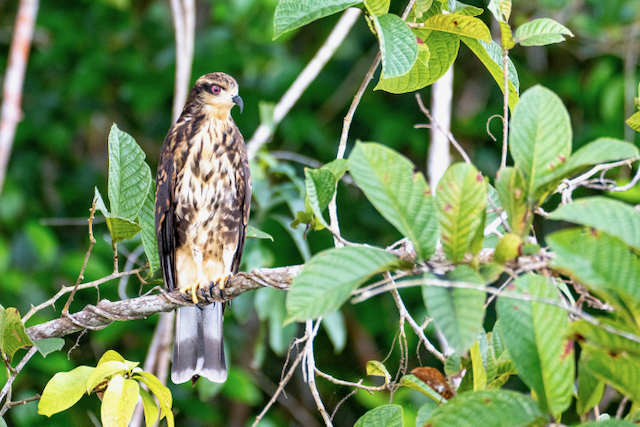

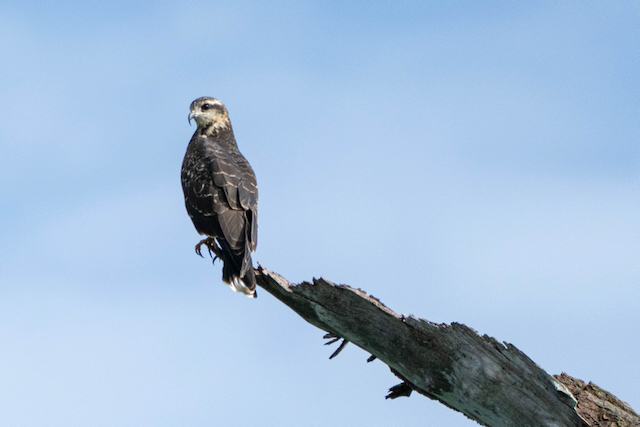
It was interesting to see the canal traffic slowly passing through an otherwise undisturbed natural landscape. Mostly cargo ships and tankers, but yes, even the occasional sailboat.

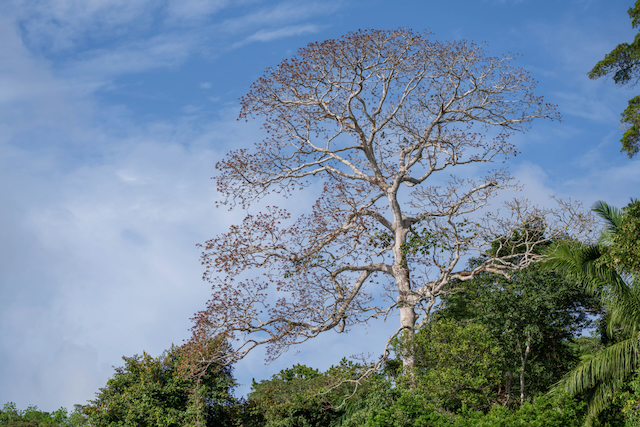

After lunch we had a very rainy panga ride – pangas are larger, (thankfully) covered boats with rows of seating. We went around the lake to see cheeky white-faced capuchin monkeys that climbed onto the boat canopies, and smaller, adorable Geoffroy’s tamarins that remained high above.


In the evening, we completed our canal transit and arrived in the Atlantic Ocean. En route to the airport back in Panama City the next morning, we stopped at the visitor center and its unique scenic overlook of the final locks. (A good use case for time-lapse video, this isn’t a speedy process!)
Whew! Quite an adventure indeed, with such a range of natural and man made marvels.
 Lunch (and the beach) at Trattoria Tramonto, Anguilla
 Exploring Buenos Aires
 Luca Fantin and Amoroso, Tokyo
 Chez Panisse Cafe, Berkeley CA
Super wonderful experience near blog. What fun to travel with you!